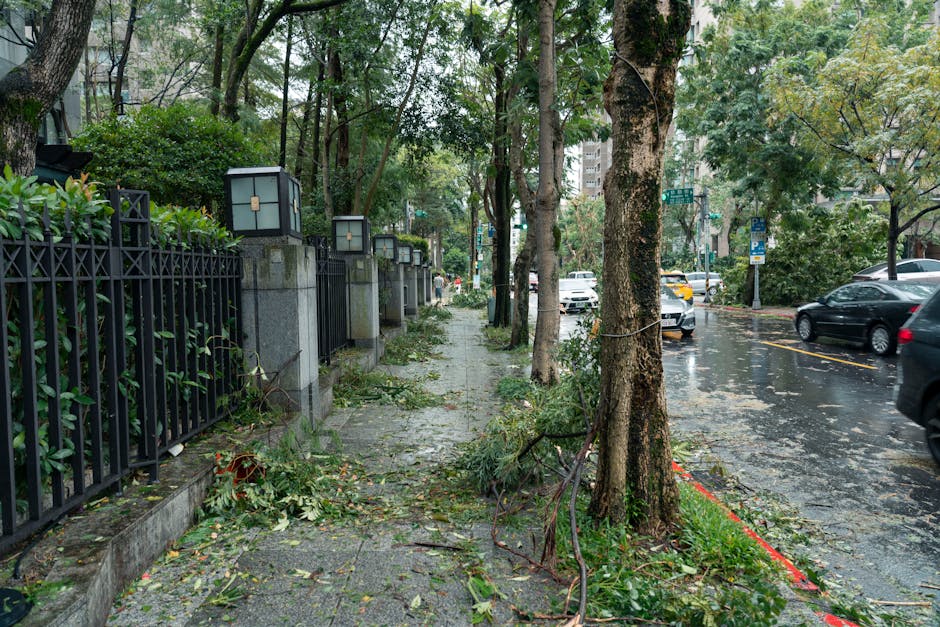
Same day gardeners Chigwell for storm damage and clearance
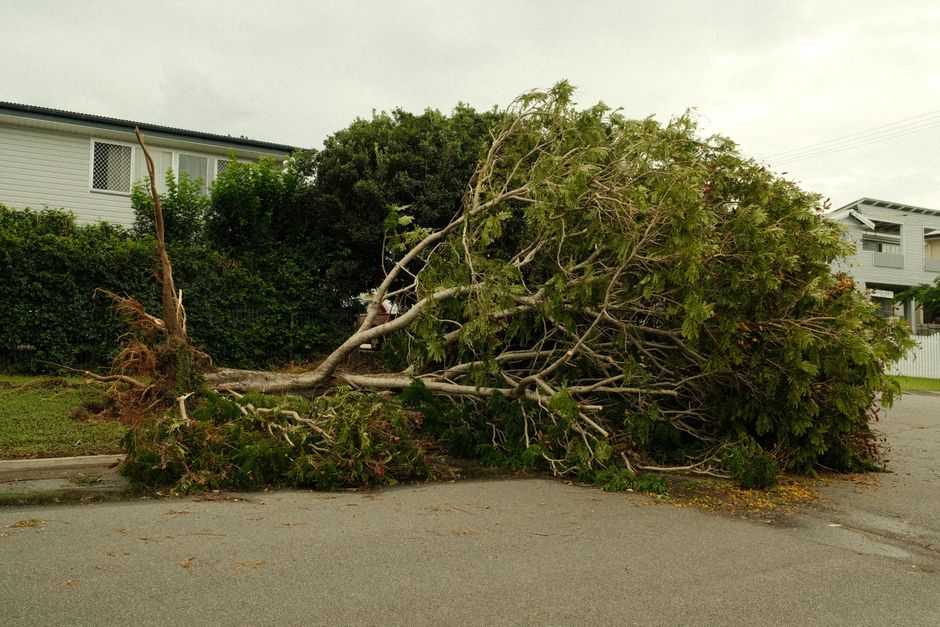
When a storm hits, the garden can go from tidy to chaotic in minutes. Branches across the lawn, bins blown over, soaked beds, shattered fencing, and a path you can barely walk down - it's messy, stressful, and sometimes a bit unsafe. That is exactly where same day gardeners Chigwell for storm damage and clearance come in. The right team can help you make the space safe, remove debris quickly, and get the garden back to something manageable before the damage spreads further.
This guide explains what same day storm clearance usually involves, how it works, what to expect, and how to choose the right help in a hurry. If you're dealing with a fallen branch, leaf litter, broken planting, or a garden that simply needs clearing fast, you'll find practical advice here - without the fluff.
Why Same day gardeners Chigwell for storm damage and clearance Matters
Storm damage in a garden is rarely just a visual issue. Fallen limbs can block access, loose debris can hide sharp edges, and waterlogged waste can quickly turn into a slip hazard. If there's fencing damage or tree failure involved, the problem can also become worse very quickly. A branch that sits for a few days can tear up turf, crush shrubs, or puncture a decking area. Let's face it, nobody wants to spend a weekend wrestling with soggy brash in the rain.
Speed matters because gardens react to weather. Wet soil compacts easily under foot traffic, broken wood becomes slippery, and damaged hedges can catch more wind during the next gusty spell. A same day response helps you contain the mess before it becomes a bigger job. It also helps with peace of mind. That matters more than people admit at first.
For many homeowners, landlords, and property managers in Chigwell, the real value is knowing someone can arrive, assess the issue, and start clearing without delay. If the garden sits near a driveway, side return, or shared boundary, a quick tidy-up can also reduce friction with neighbours. One less thing to think about, and after a storm that feels like a small win.
Expert summary: same day storm clearance is about safety first, then restoration. The best jobs are the ones that remove immediate hazards, clear access routes, and leave the garden stable enough for proper follow-up work later.
How Same day gardeners Chigwell for storm damage and clearance Works
In most cases, same day garden clearance follows a simple pattern. You contact the team, explain what happened, and give a rough idea of the scale of the damage. A clear description helps a lot: for example, whether it's a few branches on the lawn, an entire hedge flattened by wind, or a tree limb resting over a fence. If you can safely send photos, even better. It saves time and avoids guesswork.
The first visit is usually focused on making the site safe and workable. That might mean removing loose debris, cutting back damaged growth, collecting green waste, and checking which items need a more careful approach. Sometimes a job that looks huge from the kitchen window is actually straightforward once the team gets on site. Other times, the visible mess is only half the story - hidden damage under shrubs or around a fence panel can take a closer look.
From there, the gardeners will normally decide whether the work is a quick clearance, a partial recovery job, or something that needs follow-up maintenance or tree work. For example, a storm-damaged hedge may need trimming back after the debris is removed, while a broken or unstable tree may be better handled through tree lopping and removal. Likewise, if the garden is now full of mixed waste, a fuller garden clearance approach may be the most efficient next step.
Good providers also think about waste handling, access routes, and the final finish. A rushed job is not the same as a good job. You want the debris gone, yes, but you also want the space left tidy, safe, and usable.
Key Benefits and Practical Advantages
Same day garden support after a storm offers more than speed. It gives you control at the exact moment when the garden feels out of control. That is a real advantage, especially when the weather is still unpredictable.
- Immediate safety improvement: loose branches, torn stems, and scattered debris are removed quickly.
- Better access: paths, gates, side entrances, and driveways can be cleared so you can move safely.
- Less follow-on damage: wet debris and crushed planting are dealt with before they cause rot, pests, or further breakage.
- Cleaner handover for landlords or agents: if a property needs to be re-let or inspected, the garden looks presentable again.
- Reduced stress: instead of staring at the mess for days, you get a plan and visible progress.
There's also a practical financial angle. Quick intervention can prevent secondary damage to fencing, edging, turf, decking, and nearby planting. That doesn't mean every storm leads to expensive follow-up work - not at all - but delay rarely improves things. A bent branch left rubbing against a fence panel, for instance, can wear the surface down surprisingly fast.
For gardens that already need a refresh, storm clearance can be the first step before routine care resumes. A team may suggest bringing the area back under control with garden maintenance, tidying borders, or reshaping overgrown areas with hedge trimming. In short: the clearance is the urgent bit, but it often sets up the next proper tidy-up.
Who This Is For and When It Makes Sense
This service is useful for quite a few people. Homeowners obviously. But also landlords, letting agents, property managers, and anyone responsible for a garden that needs to look safe and functional again fast.
It makes sense when the garden has become difficult to use because of storm debris or when you need fast clearance before something else happens - perhaps a family visit, a tenancy handover, or simply a tight gap in the weather. It also makes sense if the storm has exposed problems that were already there: weak tree limbs, thick leaf build-up, or neglected corners that now look worse because the weather has stirred everything up.
Here are a few realistic examples:
- A strong wind has scattered twigs, leaves, and broken stems across the whole lawn.
- A small tree has dropped heavy limbs onto a patio after a night of rain and gusts.
- A hedge has been flattened on one side and now leans into a neighbour's boundary.
- A neglected garden has become cluttered after the storm, making it hard to see what needs urgent attention.
If the storm has also affected hard landscaping, it may be worth considering whether the next step is simply clearance or a broader tidy-and-repair plan. That might include landscaping, selective repairs, or even looking at decking services if a deck area has been damaged by falling debris. Not every issue needs a full rebuild. Sometimes it just needs the right order of work.
Step-by-Step Guidance
If you're organising same day help, a simple process works best. No drama, no overthinking. Just practical steps.
- Check for immediate danger. If there are downed power lines, severe structural damage, or a tree that looks unstable, do not walk under it. Keep people and pets away.
- Take a quick look from a safe position. Note what is on the ground, what is leaning, and what is blocking access. A minute of observation saves time later.
- Gather a few photos. Even basic pictures help the team understand the scope before they arrive.
- Describe priorities clearly. For example: "Please clear the front path first," or "The fallen branch is resting on the fence." That kind of detail matters.
- Ask what can be dealt with the same day. Some work is urgent and straightforward; some needs specialist tree or repair follow-up.
- Confirm waste removal and finish. You want to know whether the green waste will be taken away, stacked for later, or left neatly for collection.
- After the clearance, review the remaining work. Decide whether the garden needs deeper tidy-up, hedge reshaping, or ongoing care.
That final step gets overlooked more than you'd think. A storm clearance can reveal the real condition of a garden once the debris is gone. Sometimes the space looks better than expected. Sometimes it's a bit of a wake-up call. Either way, it's useful information.
Expert Tips for Better Results
There are a few small choices that make a big difference when you need fast help after bad weather.
- Be specific about access. If side gates are narrow, locked, or awkward to reach, say so upfront.
- Prioritise hazards over aesthetics. Safety first, tidy-up second. That order really matters in storm jobs.
- Do not try to move heavy branches alone. Waterlogged wood is heavier than it looks. Honestly, a lot heavier.
- Keep children and pets away from the work zone. A garden that looks calm can still hide sharp offcuts or unstable debris.
- Choose a provider that can do more than one type of task. A garden often needs clearance plus follow-up trimming or maintenance.
In our experience, the best outcomes happen when the customer and gardener stay practical. You do not need a perfect explanation of the problem. You just need to explain what's unsafe, what is blocked, and what you want restored first. The rest can be assessed on site.
If the storm has left your garden generally overgrown as well as damaged, it can help to combine emergency clearance with longer-term upkeep. That may include lawn mowing once the ground is usable again, or a broader tidy plan that keeps the space from sliding back into chaos as soon as the next wet week arrives. A bit of follow-through goes a long way.
Common Mistakes to Avoid
When people are rushed, they often make the same few mistakes. Very understandable, to be fair, but avoidable.
- Waiting too long. Wet debris gets heavier, messier, and harder to sort out.
- Trying to force a one-size-fits-all fix. A fallen hedge, a broken tree limb, and a flood of leaves are not the same job.
- Ignoring hidden damage. A fence panel can look fine until the branch is lifted off it.
- Not asking about waste disposal. Leaving piles of cuttings behind may be fine in some cases, but not always.
- Skipping a follow-up plan. If the garden was already tired before the storm, it may need more than a quick sweep.
Another common one: assuming the cheapest option is the best option. Not necessarily. A cheap quote that ignores safety, access, or waste removal can become costly in time and hassle. It's one of those situations where "cheap" can be a bit of a false economy.
Tools, Resources and Recommendations
Professional storm clearance usually relies on practical, well-maintained tools rather than anything fancy. For smaller jobs, that might mean hand tools, wheelbarrows, pruning equipment, protective gloves, and proper waste bags or loading systems. For larger clearances, it can also involve heavier cutting and removal equipment, though the exact setup depends on the work.
What matters more than the tools themselves is whether the gardener knows how to use them safely and efficiently. A tidy finish comes from good judgement as much as from kit. That includes knowing when to cut, when to lift, when to leave a damaged limb alone, and when to recommend specialist tree work.
For planning the next stage after a storm, these pages can be useful starting points if the garden needs more than an urgent tidy:
- services overview for a broader look at available garden work
- pricing and quotes if you want to understand how estimates are usually approached
- recycling and sustainability if waste handling matters to you
- insurance and safety for reassurance around responsible working practices
- health and safety policy for a clearer view of safe working standards
That last point is worth a mention. After storm damage, safety is not just a slogan. It is the difference between a straightforward clearance and a dangerous afternoon.
Law, Compliance, Standards, or Best Practice
Storm damage work in gardens is not usually a heavily regulated area in the way that some building or utility work is, but good practice still matters. In the UK, anyone carrying out clearance or tree-related work should act carefully around hazards, use safe methods, and avoid creating a risk to people, property, or neighbouring land. That sounds obvious, yet it is exactly the kind of thing that gets messy when jobs are rushed.
There may also be practical duties around waste handling, especially if large amounts of green waste or mixed debris need removing. Responsible disposal matters, and it is sensible to ask how arisings will be dealt with. If the storm has affected trees, there may be a point where pruning is no longer enough and removal or specialist attention is the right call. In those cases, a cautious approach is better than guessing.
Homeowners should also consider boundaries and shared access. If branches have crossed into a neighbour's garden, a calm conversation helps. If there is damage to shared fencing or a party boundary, document the issue before anything is moved. Nothing dramatic - just sensible housekeeping. A couple of photos can save a lot of back-and-forth later.
For clients who care about responsible operations, it is also fair to check how a company approaches security, payments, and complaints. Useful supporting pages include payment and security, complaints procedure, and modern slavery statement. Those pages tell you something about the standards behind the service, not just the service itself.
Options, Methods, or Comparison Table
Not every storm-damaged garden needs the same approach. Sometimes it is a rapid clear-up. Sometimes it is a focused tree task. Sometimes it is a bigger tidy project that blends several services together. The table below gives a simple way to think about the options.
| Approach | Best for | Typical strengths | Watch-outs |
|---|---|---|---|
| Same day debris clearance | Branches, leaves, scattered waste, blocked paths | Fast, practical, safety-focused | May not solve underlying damage |
| Targeted tree work | Broken limbs, unstable trees, heavy overhangs | Deals with the source of the hazard | May require more planning or follow-up |
| Full garden clearance | Storm damage plus general neglect or overgrowth | Resets the space properly | Can take longer than a simple tidy-up |
| Clearance plus maintenance | Gardens that need recovery and ongoing care | Keeps the space under control after the storm | Needs a sensible plan and timing |
If you are unsure which option fits, it usually helps to start with the immediate hazard and then work outward. Clear the risk, then rebuild the garden in stages. That order is tidy, efficient, and less stressful on everyone involved.
Case Study or Real-World Example
Imagine a Chigwell homeowner waking up after a windy night to find a large branch across the back lawn, several smaller limbs on the patio, and a hedge pressed flat against the fence line. The gate still opens, but only just. The garden is not destroyed, yet it is clearly not safe or pleasant to use.
A same day team arrives, checks access, and starts with the obvious hazards. Loose material is removed first so the path is clear. The branch is cut into manageable pieces, stacked, and taken away. The hedge is trimmed back only where it has been damaged, not overcut in a panic. The team then spots that the fence panel has taken a knock but is still holding. That gets noted for follow-up, rather than ignored.
By the end of the visit, the space is not perfect - and that's fine. The lawn still needs a proper rake, the border needs attention, and the fence may need a repair later. But the dangerous part is gone. The garden is usable again, which is the point.
That kind of job is very common after storms. Not dramatic, not cinematic, just practical. And honestly, practical is what people want most when the weather has already done enough damage.
Practical Checklist
Use this quick checklist before and during the call-out. It keeps things simple.
- Identify any immediate danger before going near the garden.
- Take a few clear photos from a safe distance.
- Note blocked access points, leaning branches, or damaged fencing.
- Decide what must be cleared first: path, patio, lawn, or boundary area.
- Ask whether waste removal is included.
- Ask whether the job is likely to need tree work, clearance, or both.
- Check whether you want follow-up maintenance after the urgent clear-up.
- Keep pets and children out of the work area.
- Review what remains after the clearance is done.
- Book any next-stage work while the issue is still fresh.
Quick takeaway: the best storm response is calm, safe, and staged. Don't try to solve everything in one go if the garden needs a bit of breathing room.
Get a free quote today and see how much you can save.
Conclusion
Storm damage can make even a decent garden look overwhelming. But with the right same day help, the situation is usually much more manageable than it first appears. Clear the hazards, remove the waste, check for hidden issues, and then decide what the garden needs next. Simple enough in theory, but it makes a huge difference in practice.
If your garden in Chigwell has been hit by wind, fallen debris, or a sudden mess that needs immediate attention, a fast, thoughtful clearance can give you back the space and the confidence to use it again. And that's often the real relief - not just the tidy lawn or the clear path, but the feeling that the garden is yours again.
When the weather settles, the garden can too.
Frequently Asked Questions
What does same day garden storm clearance usually include?
It usually includes removing fallen branches, clearing debris from paths and lawns, gathering green waste, and making the space safer to use. If there is deeper damage, the team may explain what needs follow-up work.
How quickly can a same day gardener arrive in Chigwell?
That depends on workload, weather conditions, and the size of the job. Same day usually means the team aims to attend on the day you enquire, but it is always worth being clear about urgency and access.
Can a gardener deal with a fallen tree branch the same day?
Often yes, if the branch is accessible and does not involve a major safety issue. If the limb is large, unstable, or tangled in fencing or structures, specialist tree work may be more appropriate.
Is storm damage clearance different from normal garden clearance?
Yes. Storm clearance tends to focus on urgent hazards, blocked access, and damaged debris. Normal clearance is usually more about general overgrowth, rubbish, and a full reset of the garden space.
What should I do before the gardeners arrive?
Stay away from unstable branches, take a few photos, and make note of blocked access points or obvious hazards. If it is safe to do so, clear a path for the team. If not, leave it alone and let them assess it.
Will the gardeners remove all the waste?
That depends on the service agreed, so ask early. Many people prefer the garden left fully cleared, but sometimes waste is stacked separately or the job is split into stages.
Do I need tree work or just clearance after a storm?
If the problem is mainly scattered leaves, small branches, and general debris, clearance may be enough. If a tree has split, is leaning, or has dropped a heavy limb, tree-specific work may be needed.
Can same day clearance help if my hedge was damaged?
Yes, if the hedge has been blown over, broken, or left untidy after the storm. In some cases, a careful trim or reshaping can stabilise the area and improve the appearance at the same time.
How do I know if the job is safe to do myself?
If the debris is light and easy to move from a safe position, you may be able to handle small bits yourself. But if anything is heavy, sharp, leaning, or tangled, it is better to get help. A slippery garden after heavy rain is not the place for bravado.
Will storm clearance also improve the garden's appearance?
Usually yes, quite a lot. The first goal is safety, but once the mess is removed, the garden often looks far better. Sometimes the change is almost immediate - one hour later and you can actually see the lawn again.
What if the storm revealed other problems in the garden?
That happens a lot. Once the debris is gone, you may notice overgrowth, damaged fencing, or areas that need longer-term attention. A sensible next step is to plan maintenance or landscaping rather than rushing into random fixes.
How do I choose the right gardener for urgent clearance?
Look for someone who can explain their process clearly, deal with waste responsibly, and handle both clearance and follow-up work if needed. Insurance, safety practices, and clear pricing all matter too. In a hurry, clarity is gold.